
Governance is not a feature. It is the foundation.
Every tool that has tried to add governance as a layer on top of existing automation has failed at the seams. We built the governed execution model first, and everything else on top of it.

OpsZ was not started because of a market opportunity. It was started because the people who built it had lived through the problem, repeatedly, at Oracle and Workday, across some of the most complex enterprise infrastructure environments ever built. They knew what the tools could not do. They built the thing that should have existed years ago.
It means the team has been in the room where the architecture decisions were made in some of the most complex enterprise software environments ever built. We have seen what breaks at scale. We have seen what the current tools cannot handle.
It means that when the distinguished engineers responsible for systems that process more than a trillion dollars in annual transactions engage seriously with what we have built, it is because the technical credibility is real. Not performed. Real.
"We didn't theorize this problem. We've lived through every era of infrastructure. OpsZ is what we would have wanted every time."
Every tool that has tried to add governance as a layer on top of existing automation has failed at the seams. We built the governed execution model first, and everything else on top of it.
The assumption that you have to choose between moving fast and moving safely is the assumption that OpsZ is built to disprove. The platform is designed to make the safe path the fast path.
We are not building AI operations. We are building the governed layer that makes AI-assisted operations safe, auditable, and practical for teams that cannot afford to get it wrong.
Every action, every decision, every outcome should be recorded automatically. Not as an afterthought, not as archaeology. As a byproduct of the system working the way it was designed to work.
Bios reviewed and approved by each team member before publication.

30 years in enterprise infrastructure. VP-level roles at Oracle and Workday, where he led the build of the IT operational backplane for two of the most complex enterprise software environments on the planet. Built OpsZ because he had solved this problem twice inside large organizations and decided to build it once, properly, for everyone else.

25 years across technical marketing and enterprise sales. Built a career communicating genuinely novel technology to markets that default to familiar categories. Multiple exits. Joined OpsZ because the problem was real, the team was right, and the technology was the first thing in years that made him think: this doesn't exist yet and it should.
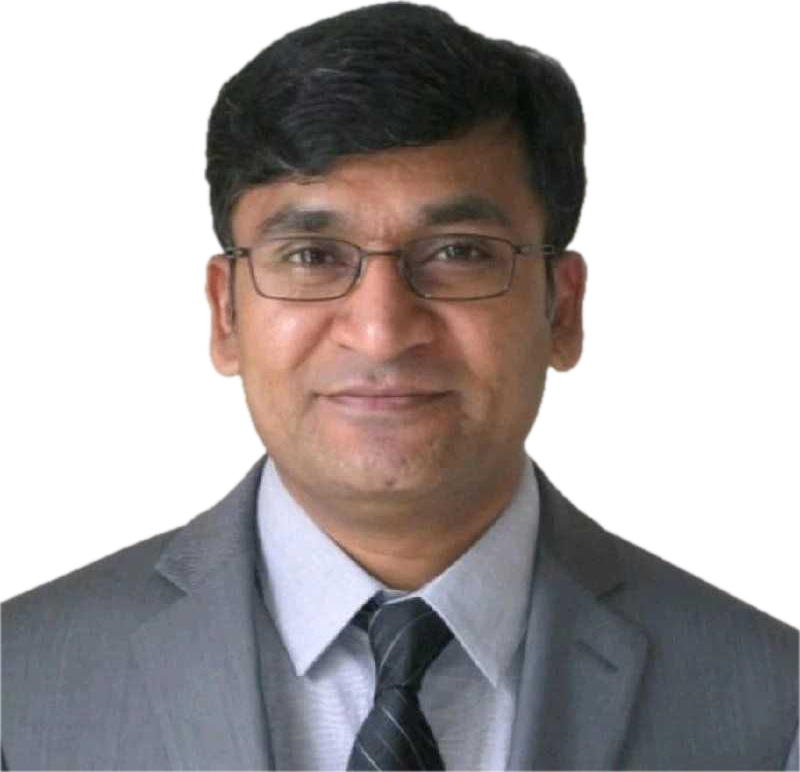
Leads engineering at OpsZ, turning the governed-execution architecture into a production-grade platform. Deep experience in distributed systems, reliability, and infrastructure automation, with a focus on the fleet-scale execution engine at the core of OpsZ. Builds the systems that let humans and AI agents act on infrastructure safely, at scale.
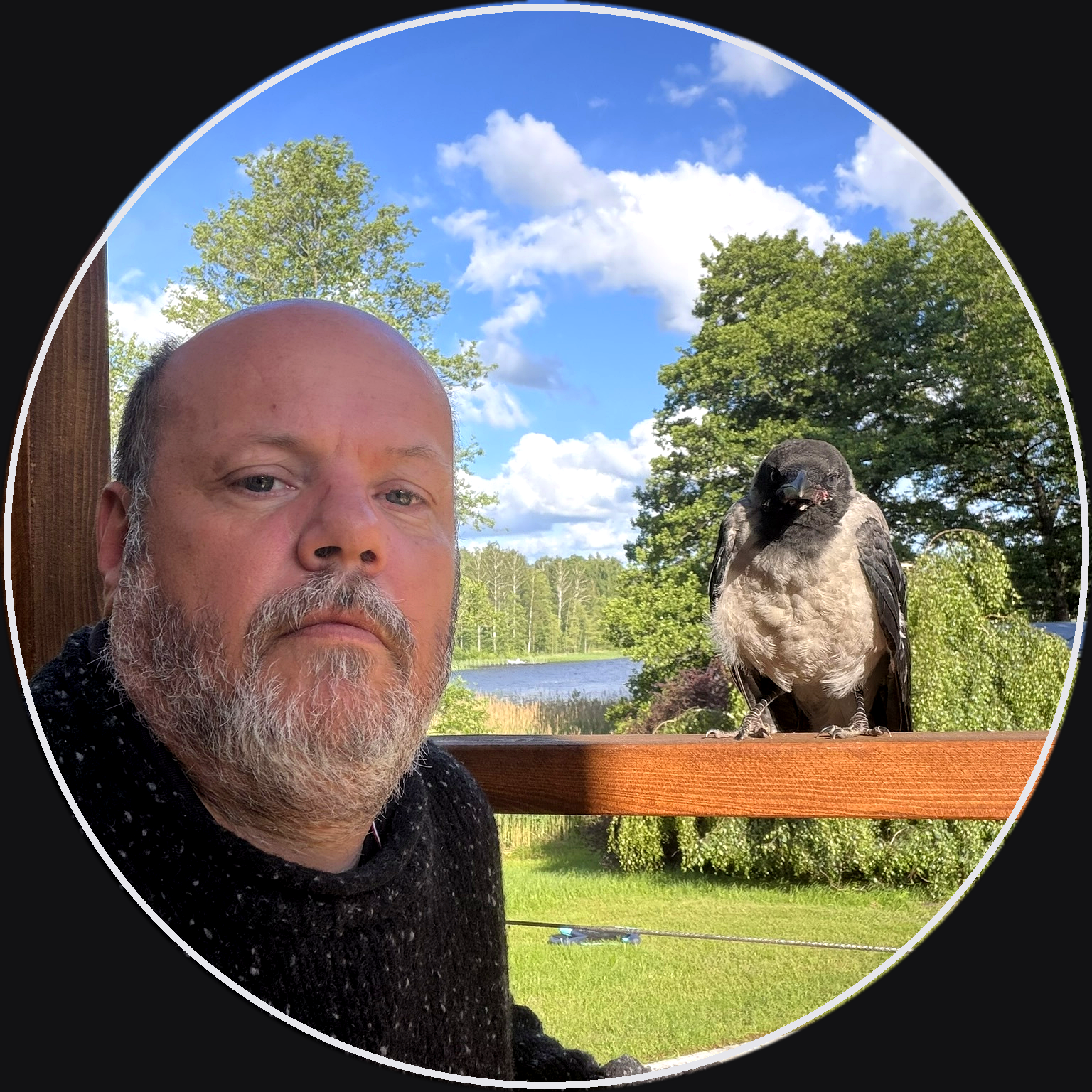
Creator of Choria, the open-source pub/sub orchestration framework that forms the messaging fabric of OpsZ. Decades of work on distributed systems and fleet management. The architect of the communication model that makes simultaneous fleet-scale conversation possible.
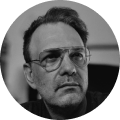
The visual and experience voice of OpsZ. Responsible for the design system, UI, and the brand identity that makes a deeply technical platform feel as considered as it is capable.
We are selective about who we take on, not to create exclusivity, but because doing this well requires real involvement from real people, in real time.
Your starting use cases. 2 to 3 highest-priority incidents or automation workflows in your environment.
Your environment complexity. How many environments, what integration burden, what governance requirements.
Your expansion path. We price with the next step in mind. Prove the model, then scale what is proven.
Who you are talking to. The founding team. The people who built and ran infrastructure at Oracle and Workday at scale. Not a support queue.
We are early enough that every customer shapes the roadmap. Late enough that the product is real. That is the window.
That is the window. The organizations that move now get a product built around their operating model, direct access to the people who built it, and a head start that compounds. The ones that wait get a vendor, not a partner.
We will look at your current operating model, where fragmentation shows up, and where OpsZ creates immediate leverage in your environment. No deck-flipping. Just an honest conversation about whether this is the right fit.