Infrastructure Modernization IT Operations Infrastructure Execution Enterprise IT
The Fast Fashion of IT
Scott Albrecht · September 23, 2026 · 2 min read
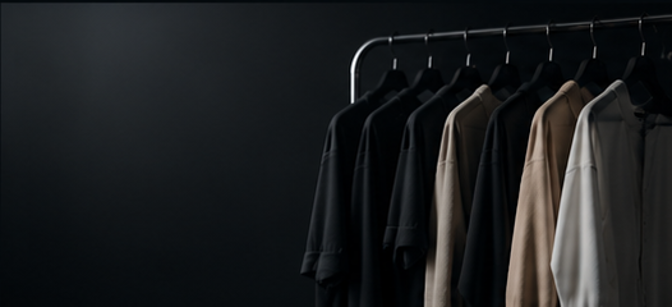
The article compares modern IT estates to homes full of once-useful purchases: things that solved a problem, delivered value for a while, then quietly remained after their purpose faded. The clothing-rack metaphor makes accumulation and obsolescence instantly legible without resorting to another image of a server room.
A few years ago, Marie Kondo changed the way millions of people thought about their homes. Not by inventing better storage to hold our stuff, but by asking a question most of us avoid:
Why are we keeping all this stuff in the first place?
I see this pattern in data centers and IT organizations as clearly as I see it at home. My wife is an interior designer and organization expert. Her work isn’t just about aesthetics. It’s about helping people understand what they actually use, what once mattered, and what they’re only keeping because it might matter again someday.
Every house has its version of this. Ours has several. One of them is our pizza oven. It held enormous promise; a dreamscape vision of family and friends gathered around a buffet of pizza fixins, everyone laughing while my seven-year-old accidentally created a pizza that somehow looked exactly like a poop emoji. And truthfully, the pizza oven really did deliver. We had a few great, dedicated pizza nights.
Then January came.
We decided carbs no longer fit our lives. We remembered that the setup and cleanup were a massive pain in the ass. And after about a week, the oven quietly migrated to the back of the closet.
Modern IT is full of once-used pizza ovens.
IT is in a remarkably similar place. The kitchen gadget and fast fashion industries aren’t getting the side-eye because they’re bad at making things. They’re getting it because they got very good at producing “stuff-du-jour,” and we kept buying it. We implemented it, used it briefly, forgot about it quickly, and were left with the quiet belief that more was always better. It isn’t.
The instinct that built modern IT was actually a good one: continue to improve. Ship faster. Automate more. Reduce toil. Move to the next bottleneck. The problem is not that we improved too little. It’s that we almost never went back to ask whether the things we tried to improve actually got better.
We fixed a pain point, declared partial victory, and immediately moved on to the next priority leaving behind a still-functional, lightly-invested solution that no one fully owns, no one actively evolves, and no one is quite brave enough to remove. It sits quietly in the back of the system, valuable enough that you hesitate to delete it, but neglected enough that you have no idea whether it still matters.
This leaves me with one question:
If IT had a Marie Kondo moment, what would it actually look like?
Marie always asked a simple question before letting something go: “Does this spark joy?”
In that same spirit, I’ll try to channel my inner Marie and in the coming weeks offer a pragmatic version for IT leadership: "Is this still on purpose?”